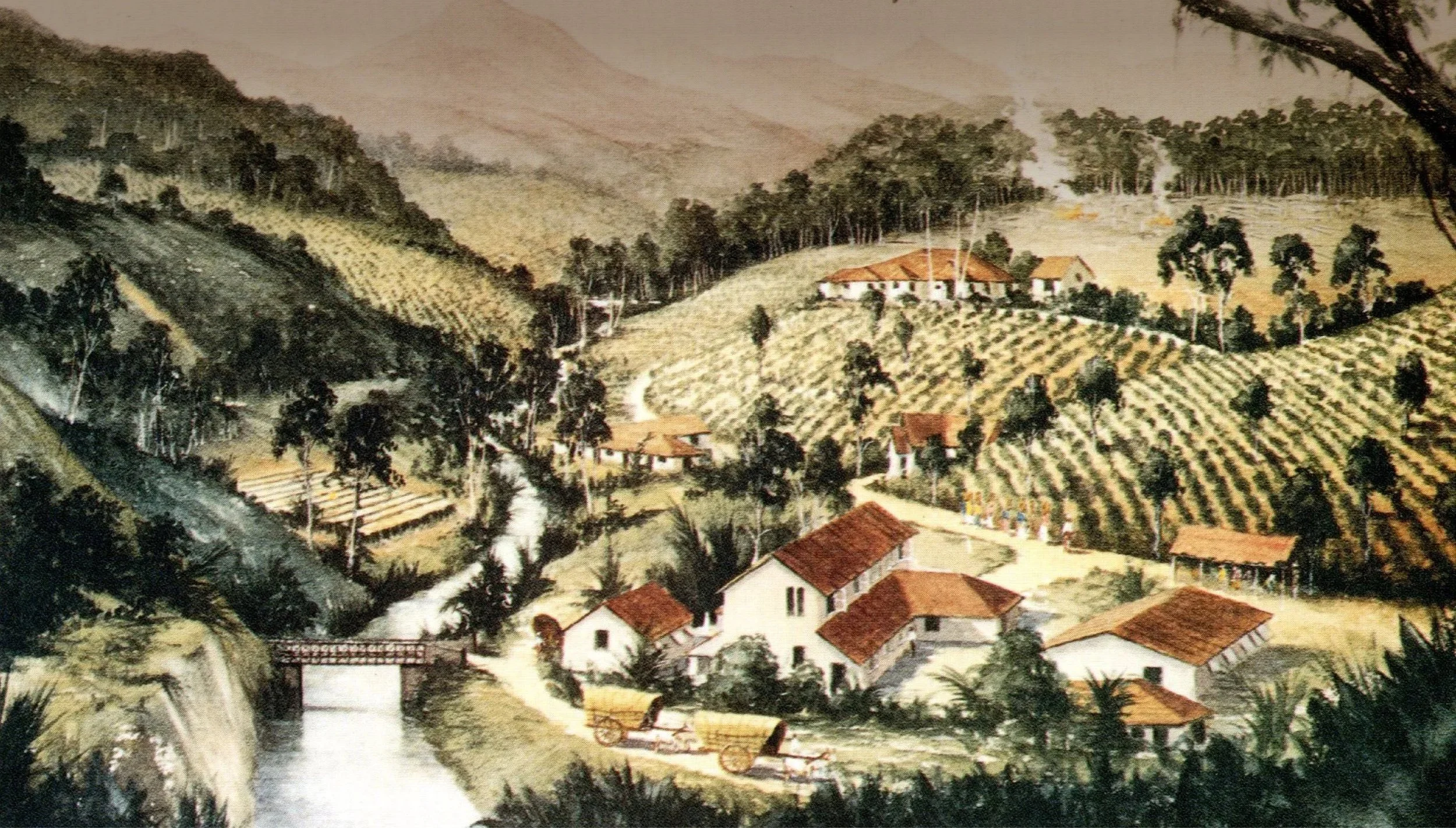
THE WASALA WALAUWA & MORATUWA POWER GRIDS
THE ZENITH OF THE MERCHANT BARONS AND PLANTATION CAPITALISM
(1796 – 1948 CE)
By the 19th century, under the administration of British Ceylon, the family successfully transitioned into the changing imperial frameworks, re-emerged at the absolute apex of colonial Ceylonese society. Their power was anchored in two massive institutional engines: the Wasala Walauwa Tradition of district administration and the Moratuwa Capital Grid of merchant dynasties and industrial wealth. Operating as elite Merchant Barons, they pooled capital to dominate monopolies in timber, arrack, and cash-crop export agriculture.
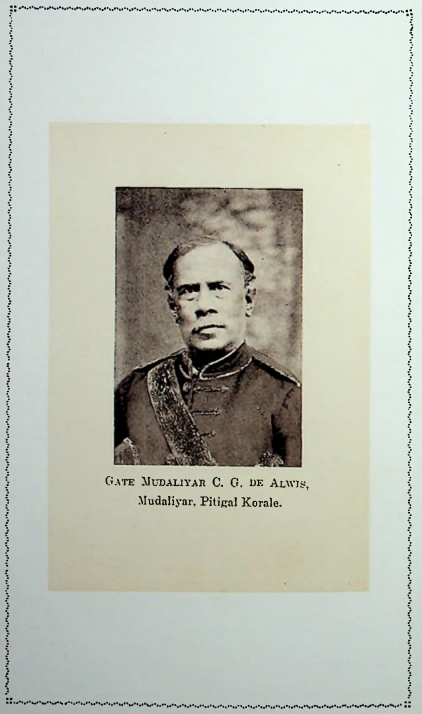
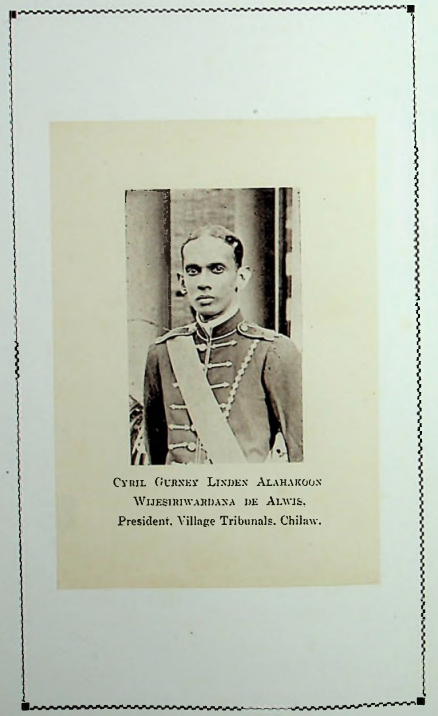
The Wasala Walauwa of Marawila and Chilaw
This grand estate network, centered around Marawila, Chilaw, and the western plantation belt, became the primary hub for the family’s administrative leadership, landed wealth, and elite marriage alliances. The family held a virtual monopoly over the highest ranks of the native civil service—the Gate Mudaliyars—who functioned as the ultimate native intermediaries under British rule.
Key Figures & Statesmen
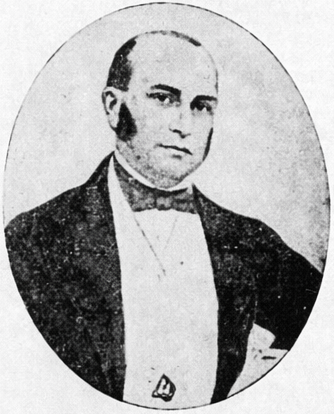
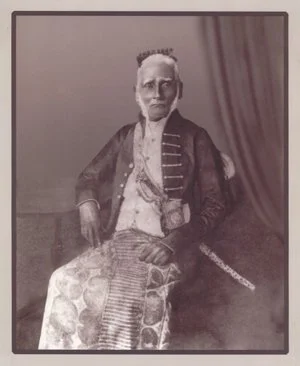
-
The premier scientific intellectual and Merchant Baron of the early British era. Serving as the foundational botanical researcher and chief draftsman for the Royal Botanic Gardens at Peradeniya for 38 years, he mapped over 2,000 species of local flora. His exhaustive research unlocked the economic botany of the colony, systemizing the early land-clearance models that enabled the transition of family capital into massive tea and coffee plantation networks.
-
A brilliant scholar, linguist, and Legislative Councilor who dominated the colony's high courts. As the ultimate personification of the family's intellectual sovereignty, he masterfully navigated British constitutional law, systematically drafting the foundational legal and political arguments that paved the structural path toward modern independence.
-
Son of Harmanis, who expanded the family's botanical dynasty internationally. Deployed by the colonial state to the Singapore Botanic Gardens, his hyper-accurate taxonomical research into rubber tree propagation (Hevea brasiliensis) and entomology was sent directly to Kew Gardens and the British Museum, effectively optimizing the cash-crop genetics that fueled the agricultural GDP of the British Empire in Asia.
-
One of the premier native civil officials of British Ceylon. Recorded extensively in colonial civil registries, he directed regional administration from his grand Wasala Walauwa estate. Crucially, during the severe 1915 disturbances (riots), his immense localized prestige and calm administrative restraint allowed him to maintain total regional stability across his jurisdiction without requiring British military intervention—an achievement heavily commended in British gubernatorial dispatches.