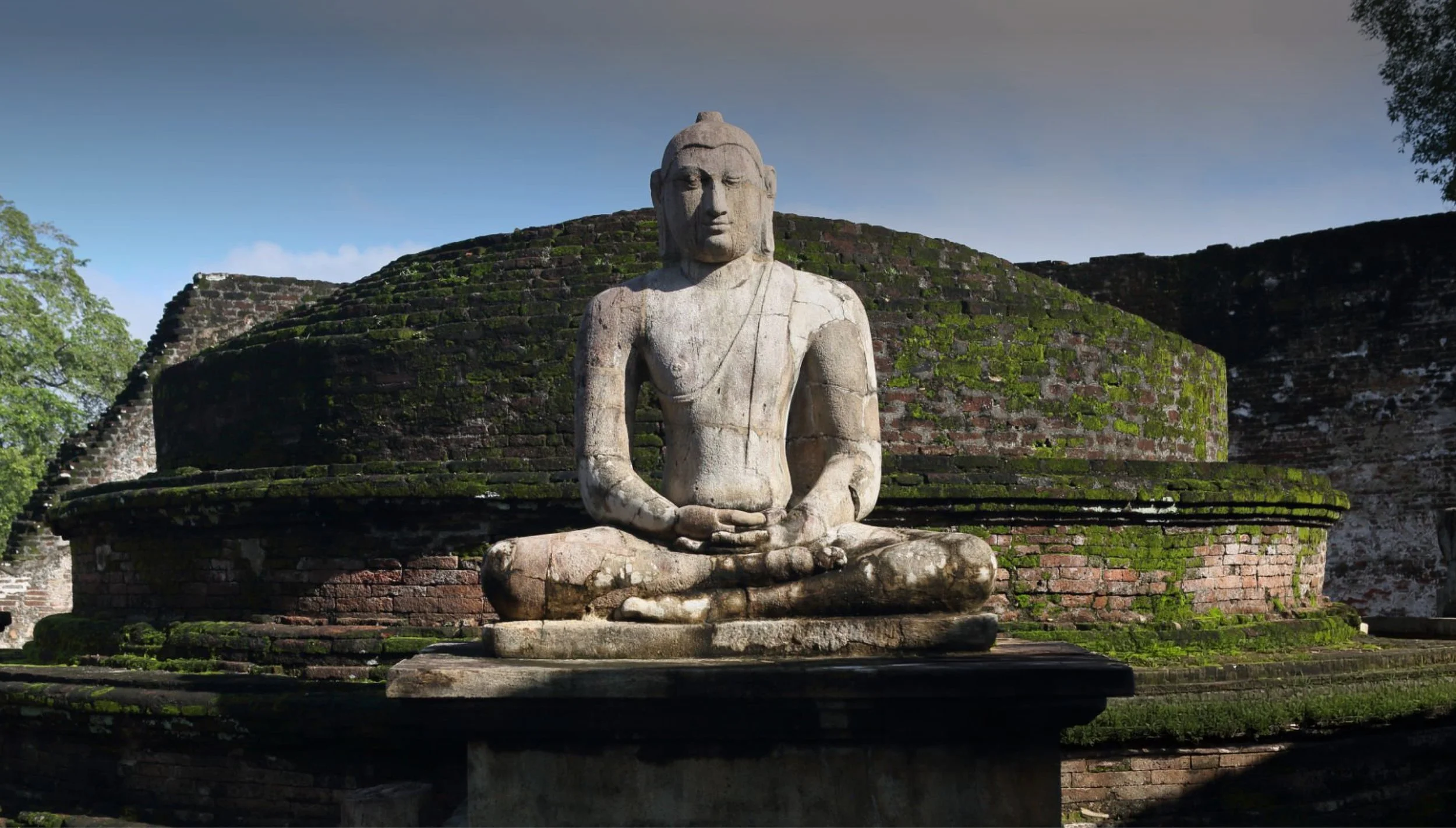
THE ROYAL LINEAGE: THE DAWN OF SUN AND STONE
GIRIMANDALA AND THE ANCIENT ROYAL TRADITIONS
Girimandala (c. 3rd Century BCE – 13th Century CE)
The deepest structural foundations of the House of Alakēśvara-De Alwis rest on a profound, millennial synthesis: the blending of the sacred, solar-bound royalty of classical Sri Lanka with the liquid, guild-driven mercantile infrastructure of the South Indian subcontinent.
The Cosmic Giri Clan
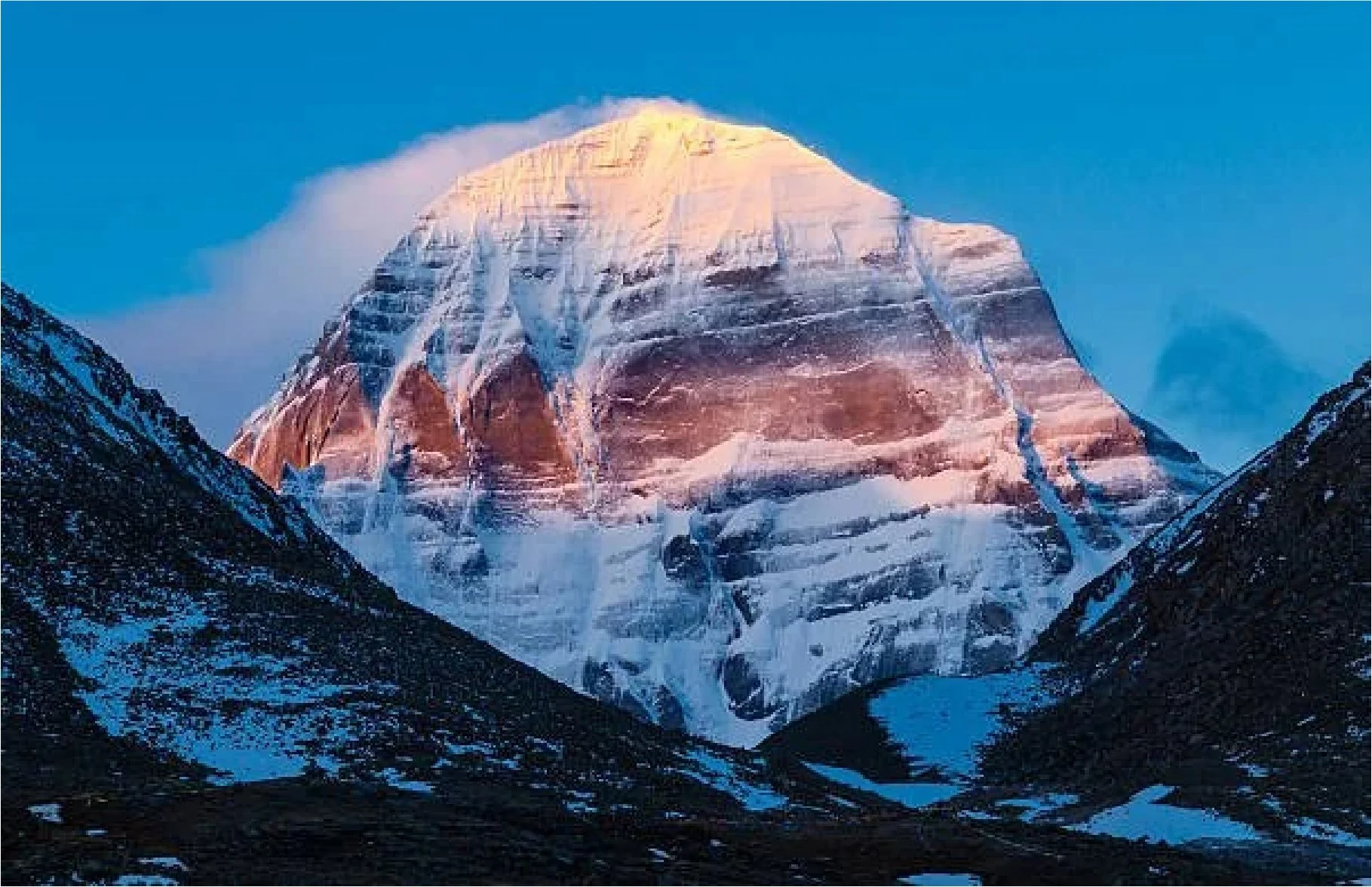
The name Giri translates to "mountain" or "hill" in Sanskrit and Pali. In the oldest strata of Sri Lankan history, it defined a strategic geographical region before evolving into a formalized noble clan identity. Early Buddhist mytho-histories like the Mahavamsa and Deepavamsa identify Giridipa ("Giri Island") as the rugged interior where early indigenous tribes coexisted with Indo-Aryan settlements, which later consolidated into Girimandala ("The Giri District")—the mountainous, highly fertile southern buffer zone of the Anuradhapura Kingdom. Protected by natural mountain barriers, Girimandala became an autonomous stronghold for regional warrior-chiefs, rebel princes, and land-controllers who wielded immense power away from the northern capital.
Over centuries, this geography transformed into royalty. The sovereign lords appointed to govern or hold fiefdoms in the Giri district carried "Giri" as an elite title of lineage nobility, signifying their absolute control over these vital highlands. To maintain a centralized state, monarchs of the central House of Vijaya frequently formed marriage alliances with the rulers of Girimandala, integrating the Giri regional elites directly into high royal bloodlines. This structural survival via strategic endogamy perfectly mirrors the historical mechanics of the House of Habsburg, converting marital diplomacy into unassailable territorial containment.
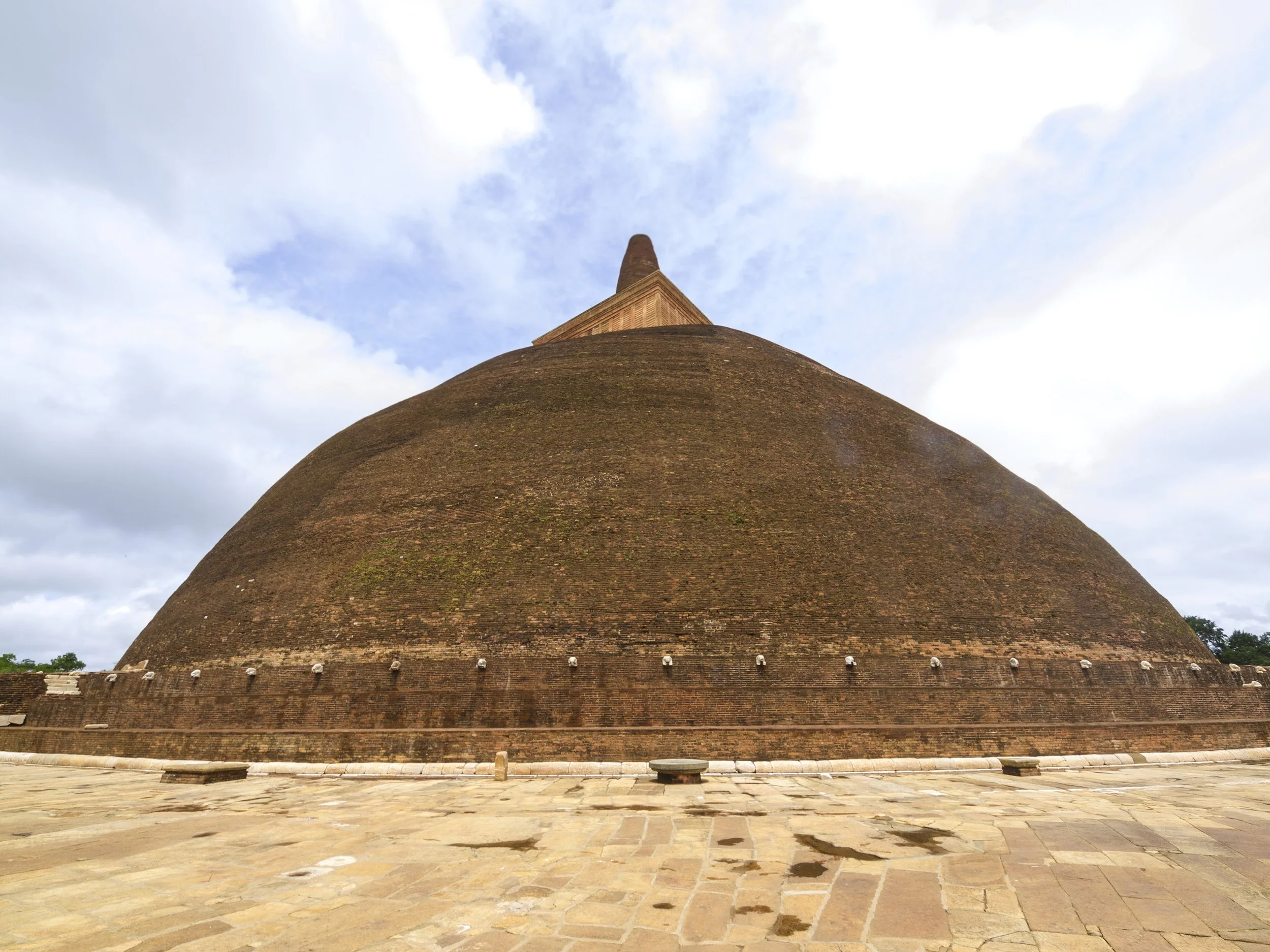
By the 1st Century BCE, individual Giri nobles held immense leverage; records show a prominent Jain ascetic named Giri owned a vast monastic estate within the capital city of Anuradhapura. When King Vattagamani Abhaya (Walagamba) reclaimed the throne, he demolished this monastery and constructed the world-renowned Abhayagiri Vihara on the site, forever blending his name with the regional Giri identity.
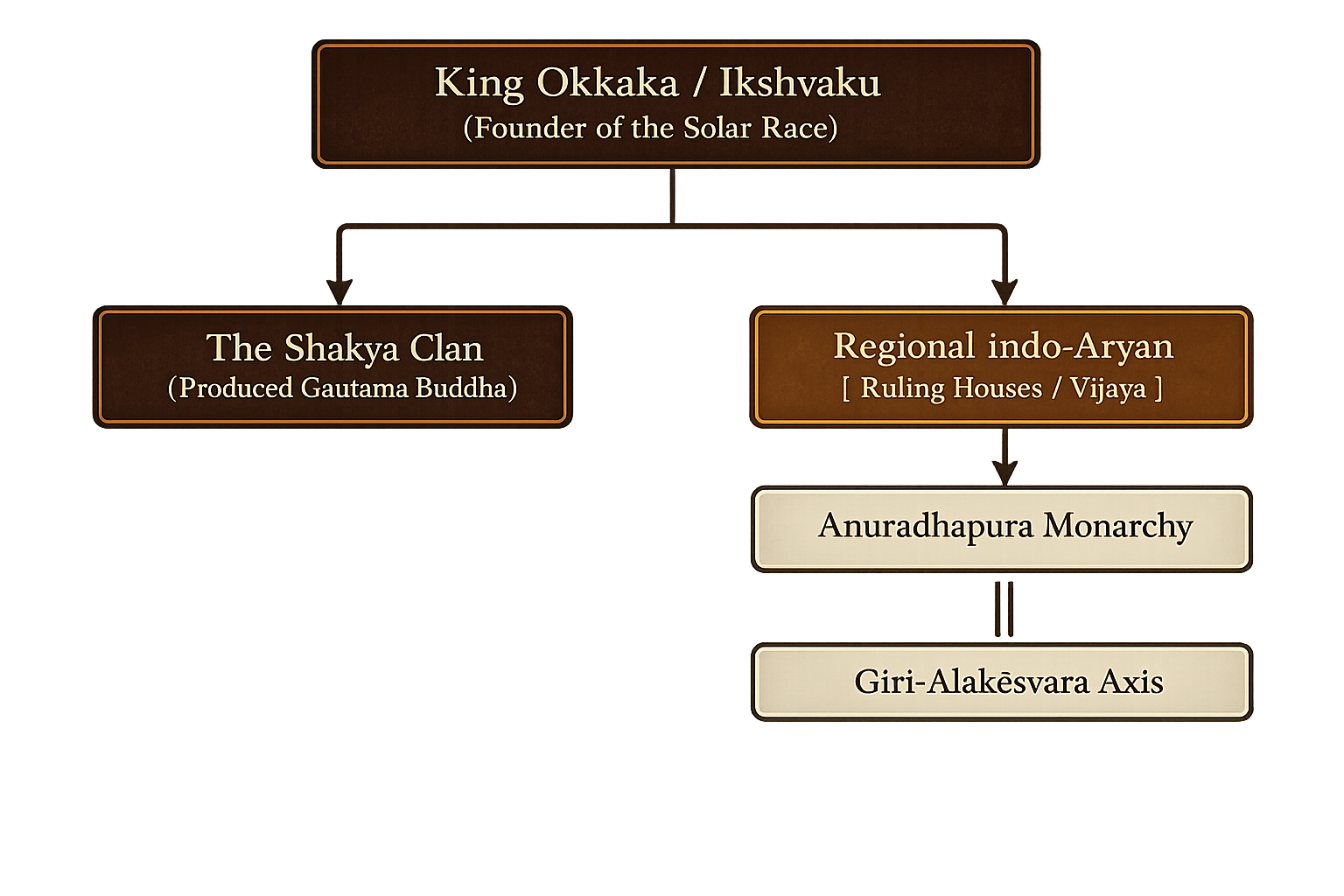
To secure absolute political and spiritual legitimacy, these regional Giri elites asserted a claim to the Solar Lineage (Suryavamsa). Identical to the Imperial House of Japan, which anchors its supreme authority to divine celestial origins to insulate the throne across generations, ancient South Asian statecraft achieved two vital goals through this solar connection:
1. The Buddha Connection: It aligned them directly with the Shakya Clan of Gautama Buddha (both branching from the root of King Okkaka), granting them immense spiritual authority.
2. The Royal Prerogative: It justified their right to hold high ministerial office, as only those of the Suryavamsa or Lambakanna lines were pure enough to hold or back the lion throne.
Royal Figures & Sovereigns
-
The primordial patriarch and architect of the lineage’s cosmic legitimacy. Arriving in Sri Lanka with highly prestigious North Indian royal credentials, he engineered a landmark marriage alliance with Princess Mayuravathi, daughter of King Devanampiyatissa. Granted an ancestral fiefdom at Radala Grama, he established a family lineage traditionally associated with the later domain of Raigama. Over time, ties to his descendants became a source of prestige for regional rulers and merchant-princes seeking to strengthen their claims to authority on the island.
-
Daughter of King Devanampiyatissa (the historic 3rd-century BCE monarch who converted Sri Lanka to Buddhism during the mission of Emperor Ashoka's children). Her union with Prince Hirugoth injected the pure administrative authority of the early Anuradhapura monarchy into the geographic core of the southwest, anchoring the family’s permanent role as the divine, hereditary custodians of the soil.
-
An omnipotent regional noble and asset-controller based within the ancient capital of Anuradhapura. Possessing a massive urban monastic estate, his socioeconomic influence was so extensive that upon his displacement, King Vattagamani Abhaya (Walagamba) cleared the land to build the legendary Abhayagiri Vihara—permanently encoding Giri's identity into the architectural and spiritual heart of classical Ceylonese history.